
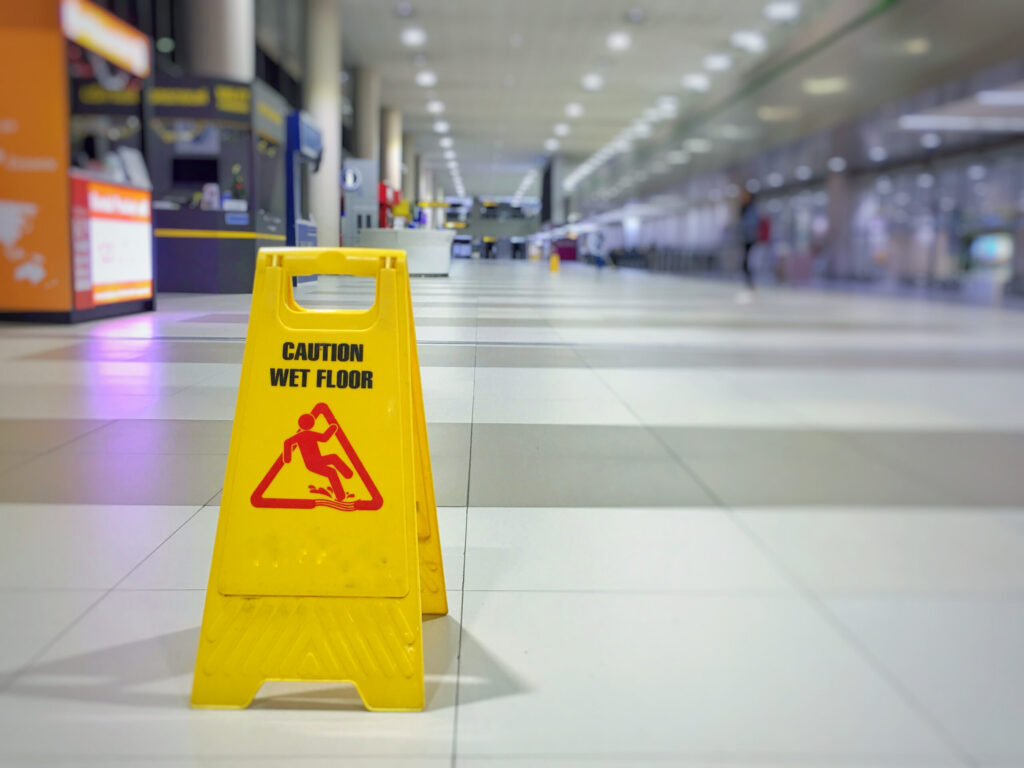
Premises liability cases share a common denominator: a person goes somewhere they have every right to be, and a hazard that someone else created or ignored injures them. A wet grocery store floor with no warning sign. A broken apartment stairway, the landlord had been notified about three times. A parking lot so poorly lit that an assault went undetected.
These are not freak accidents. They are foreseeable consequences of decisions property owners made, or failed to make. Property owners and their insurers dispute everything. Proving it requires investigation, documentation, and an attorney who knows how these cases are litigated in Kern County. Call (661) 333-3333 for a free consultation.
What California Premises Liability Law Actually Requires
California Civil Code section 1714 establishes that everyone is responsible for injuries caused by their lack of ordinary care or skill in managing their property. For property owners, that translates into a legal duty to inspect their premises, identify dangerous conditions, correct those conditions, and warn visitors of hazards that cannot be immediately fixed.
The duty is broad, but it is not unlimited. Courts evaluate premises liability claims through a reasonableness standard, weighing the probability that the condition would cause harm, the severity of potential harm, the burden of correcting the condition, and the property owner's awareness. This analysis is fact-intensive, which is why premises liability cases turn on documentation and evidence rather than general principles.
Under the landmark case Rowland v. Christian, California applies a single uniform standard of care: the core question is whether the property owner acted reasonably to keep the premises safe for anyone expected to be there. California eliminated the old invitee/licensee/trespasser duty tiers and replaced them with this reasonableness standard.
Your reason for being on the property is still relevant, but as one factor in the reasonableness analysis, not a separate duty tier. A business customer, a social guest, and even certain trespassers are all evaluated under the same reasonable-care question. One notable exception applies to child trespassers under the attractive nuisance doctrine, where a property owner who maintains a condition likely to attract children may owe a duty to protect them even without permission to enter.
Mickey Fine will evaluate the specific circumstances of your incident and tell you directly where your claim stands under California law. Call (661) 333-3333.
Contact The Law Office Of Mickey Fine Today To See How We Can Help.
Where Premises Liability Injuries Happen in Bakersfield
Kern County's commercial landscape, residential density, and public infrastructure all generate premises liability claims across a wide range of settings. Some locations account for more incidents than others.
Retail stores and shopping centers are among the most common premises liability settings. Spills that are not cleaned promptly, produce displays that drip, freshly mopped floors with inadequate signage, and merchandise stacked in unstable configurations are daily hazards in high-traffic retail environments. Major retail corridors along Rosedale Highway, White Lane, and Ming Avenue in Bakersfield see consistent foot traffic across demographics that include older adults who are more vulnerable to fall-related fractures.
Apartment complexes and rental properties generate premises liability claims when landlords defer maintenance on common areas. Broken or uneven walkways, deteriorated exterior stairways, inadequate exterior lighting, and unsecured pool areas are recurrent hazards in multi-family residential properties. Kern County's housing density includes a substantial proportion of renters, and the condition of common areas in those properties is the landlord's legal responsibility.
Restaurants and food service establishments present hazards from spills, grease on kitchen-adjacent flooring, uneven transitions between different floor surfaces, and outdoor seating areas with unmarked level changes. These businesses see a high volume of traffic under conditions where the ground is frequently wet or slippery.
Warehouses and industrial facilities create premises liability exposure both for workers and for vendors, contractors, and visitors who come onto the property without the benefit of full safety training. Kern County's distribution and agricultural processing infrastructure includes large facilities where floor conditions, racking systems, loading dock areas, and equipment pathways create real injury risk for people who are not regular employees of the facility.
Public sidewalks, parks, and government-owned properties generate premises liability claims subject to special procedural rules. A claim against a city, county, or other government entity requires filing a government claim within six months of the injury before a lawsuit can be filed. Missing that deadline extinguishes the claim entirely. If your injury happened on public property or involved any government agency, contact an attorney immediately.
Check out this informative guide to discover the most common types of premises liability accidents and learn how to protect your rights if you've been injured on someone else's property.
The Hardest Part of a Premises Liability Case Is What Happens Right After the Injury
Most people who are injured on someone else's property do not think about evidence preservation in the moments after the incident. They are in pain, they are disoriented, and they often accept whatever the property owner or their staff does to manage the situation. That response, while completely understandable, can make a case significantly harder to prove.
Property owners have an obvious interest in how an incident is documented. Incident reports written by store employees may minimize the hazard or suggest the injured party was at fault. Surveillance footage that shows the condition and the fall may be overwritten within days or hours if no one requests its preservation. The hazard itself may be corrected within hours of the incident, eliminating photographic evidence of the condition that caused the injury.
This is why the timing of legal involvement matters in premises liability cases. An attorney who gets involved early can send a spoliation of evidence letter demanding preservation of surveillance footage, maintenance logs, incident reports, and inspection records. That documentation shapes the entire case.
If you or a family member was injured on someone else's property in Bakersfield, call (661) 333-3333 as soon as you are able. Mickey Fine will begin the process of evidence preservation immediately.
Proving a Premises Liability Claim in California
A successful premises liability claim in California requires establishing four elements: the defendant owned, leased, or controlled the property; the defendant was negligent in using or maintaining it; you were harmed; and that negligence was a substantial factor in causing your harm.
The most contested element in most Kern County premises liability cases is whether the property owner knew or reasonably should have known about the dangerous condition before the injury occurred. This is called the notice requirement, and it is where insurance carriers focus their defense.
Actual notice means the owner was directly told about the hazard, whether by a prior complaint, an employee report, or the owner's own inspection. Constructive notice means the condition existed long enough that a reasonable property owner exercising ordinary care would have discovered and corrected it. Proving constructive notice often requires evidence about how long the condition existed, the owner's inspection practices, and whether the condition was one that should have been anticipated.
Evidence that supports a premises liability claim includes surveillance footage showing the hazard and the fall, prior written complaints or work orders related to the same condition, inspection logs that show the area was not checked in a reasonable timeframe, testimony from witnesses who observed the hazard before the incident, and expert testimony on industry standards for property maintenance.
Mickey Fine investigates every angle of a premises liability case rather than relying on what a defendant voluntarily produces. His background as a former insurance defense attorney means he understands exactly what documentation the other side will look for and what they will try to withhold.
Hear From Our Clients
What You Can Recover
California premises liability claims allow recovery of both economic and non-economic damages.
Economic damages include all medical costs from the date of injury through future care, lost wages for time missed from work, and lost earning capacity where the injury affects long-term employment. For serious premises liability injuries, these amounts can be substantial. Cases involving permanent limitations, extended recovery timelines, or an inability to return to prior employment require expert life care planning to establish future costs with credibility.
Non-economic damages cover physical pain and suffering and emotional distress tied to documented physical injury. Where a serious fall results in permanent limitations, loss of independence, or significant changes to daily life and relationships, these damages reflect real losses that California law treats as compensable.
In cases where a property owner's conduct was particularly reckless, for example, a landlord who had received repeated documented written complaints about a hazardous condition and repeatedly ignored them, punitive damages may be available. These are less common but represent an additional avenue of accountability when the defendant's behavior warrants it.
California's pure comparative fault rule means your recovery is reduced proportionally if you share some responsibility for the incident, but you can still recover even if you were partially at fault.
Frequently Asked Questions About Premises Liability in Bakersfield
What should I do immediately after being injured on someone else's property?
Seek medical attention first, even if the injury seems manageable in the moment. Premises liability injuries are not always fully apparent immediately, which is why a prompt medical evaluation matters both for your health and for your legal case. Then, if you are physically able, photograph the hazard before it is corrected, get contact information for any witnesses, and report the incident to the property owner or manager. Do not sign any documents or give a recorded statement to anyone from the property owner's insurance company before speaking with an attorney.
The property owner says I was not watching where I was going. Does that end my case?
Not necessarily. California's comparative fault rule allows you to recover even if you share some responsibility for an accident. The property owner's claim that you were inattentive becomes a question of percentage of fault, not a complete bar to recovery. If the hazard was one that a reasonably attentive person could not have avoided, such as a condition that blended into the surrounding floor or an obstacle around a blind corner, the owner's attempt to shift blame becomes much weaker. Mickey Fine will evaluate the specific facts honestly.
What if the property owner fixed the hazard right after my accident?
That happens frequently, and it actually can be used as evidence in your favor under California's subsequent remedial measures framework when appropriately handled. The correction demonstrates that the condition was fixable and that the owner could have addressed it before your injury occurred. Preserving documentation of the original condition before the repair is critical, which is another reason early attorney involvement matters.
Does it matter whether I was at a business versus a private residence?
The duty of care owed to you can vary depending on the type of property and your legal status as a visitor. Still, California courts have generally applied a broad reasonable care standard across property types. Whether you were injured at a commercial establishment, a private rental property, or another type of premises, the fundamental question is whether the owner acted reasonably in maintaining the property. The procedural rules and the practical dynamics of the case may differ, which is worth discussing during a consultation.
What Working With Mickey Fine Looks Like
Premises liability cases require sustained attention from an attorney who will pursue every available source of documentation and be willing to litigate when an insurer's offer does not reflect the actual value of the claim. Many of these cases settle, but a property owner or insurer that knows the attorney on the other side will not take a case to trial is an insurer that offers less than the case is worth.
Mickey Fine has been handling premises liability cases in Kern County for over 30 years. He knows the commercial landscape in Bakersfield, the residential rental market, and the dynamics of litigation in Kern County. He handles every case personally and has a documented record of recovering on serious premises liability claims, including cases that other attorneys referred to him because of their complexity.
There is no fee unless he wins your case. The consultation is free. If you were injured on someone else's property in Bakersfield or anywhere in Kern County, call (661) 333-3333 today.